
Advantages of galvanized reinforcement sheets compared to a 1c-primer?
Electro-galvanizing is a process in which a metallic zinc is applied to a surface to protect it from corrosion. There are some advantages that electroplating has over 1c-primer:
Anti-corrosion:
The electro-galvanized reinforcement sheets have excellent corrosion protection, as the applied zinc forms a protective layer that protects against moisture and other causes of corrosion.
Durability:
Galvanizing is a permanent process, as the zinc sacrifices itself in the event of corrosion and thus protects the substrate. A 1c-primer can peel or be damaged over time and may need to be replaced.
Cost-effectiveness:
Electroplating can be more cost-effective than using 1c-primers in many cases, as it usually has a longer lifespan and may require less frequent replacement. It can also save costs because it does not require solvents or other expensive materials.
It is important to note that each method has its own advantages and disadvantages and the choice of the right method depends on the requirements of the project and the personal preferences of the user. In this case, we decided to galvanize the reinforcement plates instead of priming.
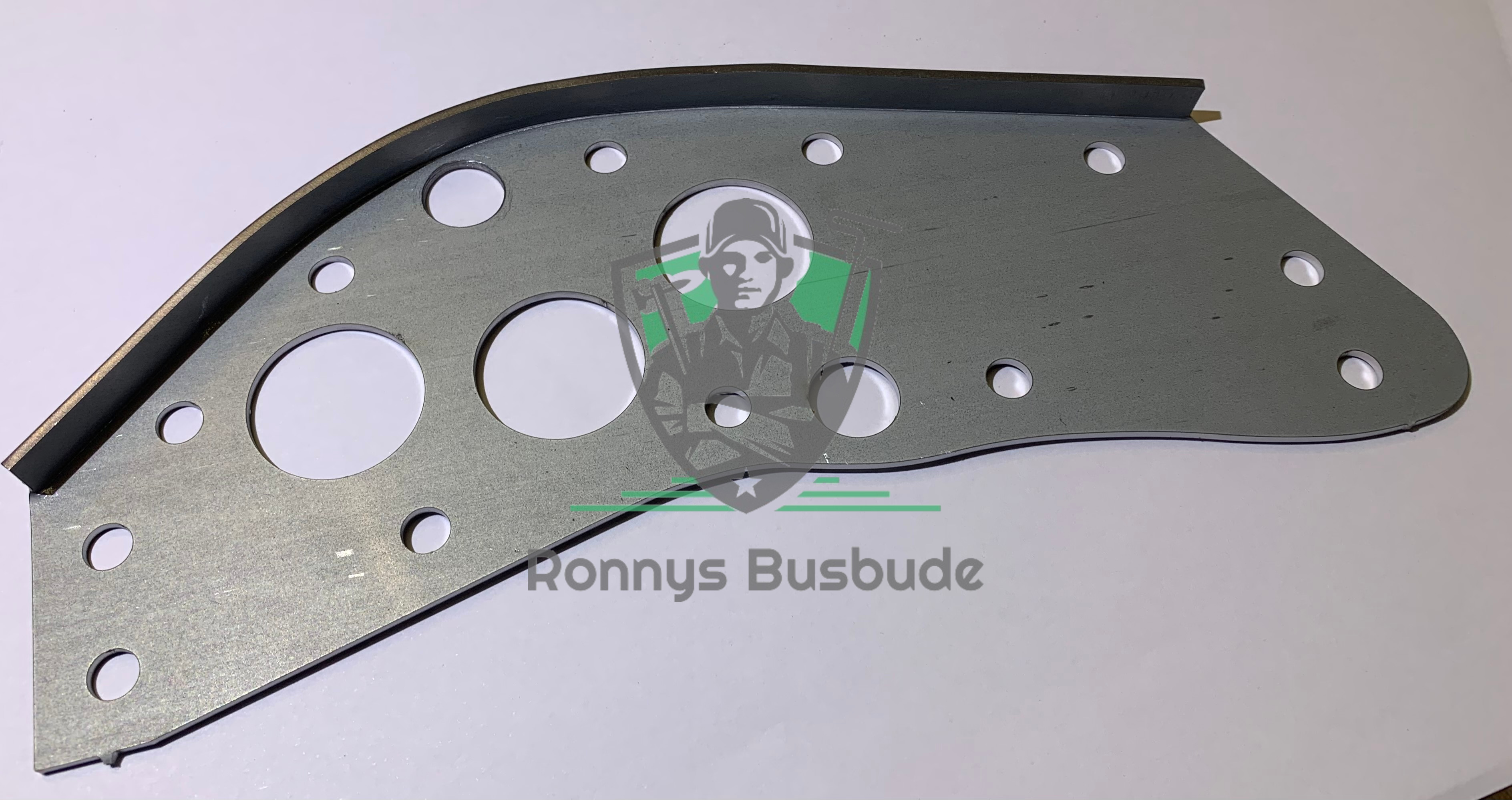
How does the process of galvanizing work?
The process of electro-galvanizing, also known as electro-galvanizing, works through the use of electrolysis. In this case, the reinforcing plate to be sunk is placed as a cathode in a solution of zinc-salt, while a zinc block serves as an anode. The application of an electric current triggers a galvanic reaction in which zinc ions are released from the anode onto the surface of the reinforcing plate and harden there.
The process consists of several steps:
Pretreatment:
The reinforcing plate is cleaned, degreased and derusted to ensure optimal adhesion of the zinc.
Electroplating:
The reinforcing sheet is placed in the zinc solution and zinc is applied to the surface of the reinforcing sheet by the electric current.
Aftercare:
After electroplating, the workpiece is washed and possibly passivated to improve corrosion resistance.
Drying:
The reinforcing sheet is dried.
Inspection and Quality Control:
The finished reinforcement sheet is checked to ensure that the zinc plating has been applied evenly and in the correct thickness and meets the requirements.
The process of electroplating is an established and proven method of combating corrosion, especially on metallic workpieces.